

HISTORY OF THE
9TH PENNSYLVANIA
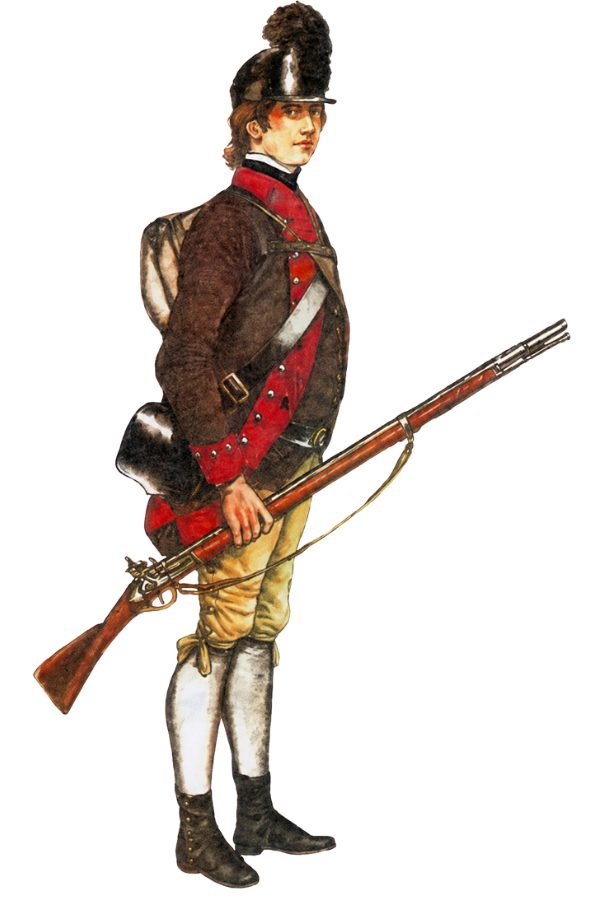
The 9th Pennsylvania Regiment has a proud history of service, sacrifice, and devotion to the cause of American independence. From its formation in 1776 to its role in major battles across the northern states, the regiment’s legacy lives on through our commitment to historical preservation and education.
FORMATION OF THE REGIMENT
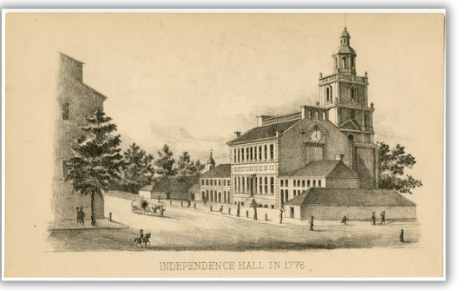
The 9th Pennsylvania Regiment was authorized by the Continental Congress on September 16, 1776, as part of the Pennsylvania Line of the Continental Army. Organized in Philadelphia during the spring of 1777, the regiment was composed of eight companies of volunteers recruited from across Pennsylvania, including Lancaster, Chester, Cumberland, Philadelphia, and Westmoreland Counties. Many of its soldiers were members of the Philadelphia Associators, a group of local militia men who stepped forward in defense of liberty. Commanded by Colonel Richard Butler, the regiment quickly became part of the main army under General George Washington.
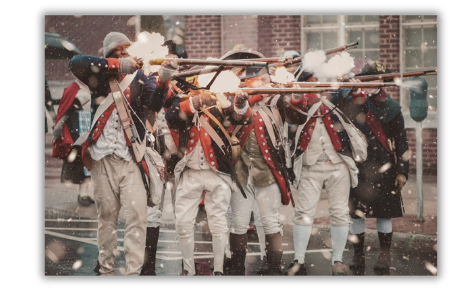
In 1778, selected soldiers from the regiment were organized into elitelight infantry companies. These men were chosen for their skill, discipline, and physical fitness and were trained to operate as scouts, skirmishers, and advance troops. Light infantry played a critical role in reconnaissance, screening the army's movements, and engaging the enemy in open-order combat. The modern 9th Pennsylvania Lyght Infantry Company interprets these soldiers and their experiences during the Revolutionary War.

CAMPAGINS & BATTLES
By 1778, the Continental Army had learned that victory required more than disciplined lines of infantry. The war in America demanded soldiers who could move quickly, scout ahead of the army, screen troop movements, and fight in broken terrain where traditional battlefield formations were less effective.
To meet this need, experienced soldiers were selected from regiments throughout the Pennsylvania Line to serve in elite Light Infantry companies. Drawn from the ranks of the 9th Pennsylvania Regiment, these men represented some of the army's most capable and trusted soldiers.
Operating at the front of the army and often beyond the protection of the main battle line, Light Infantry soldiers carried out dangerous missions that required initiative, endurance, and courage. Their service placed them at the center of several important campaigns during the later years of the Revolutionary War.
PHILADELPHIA CAMPAIGN (1777)
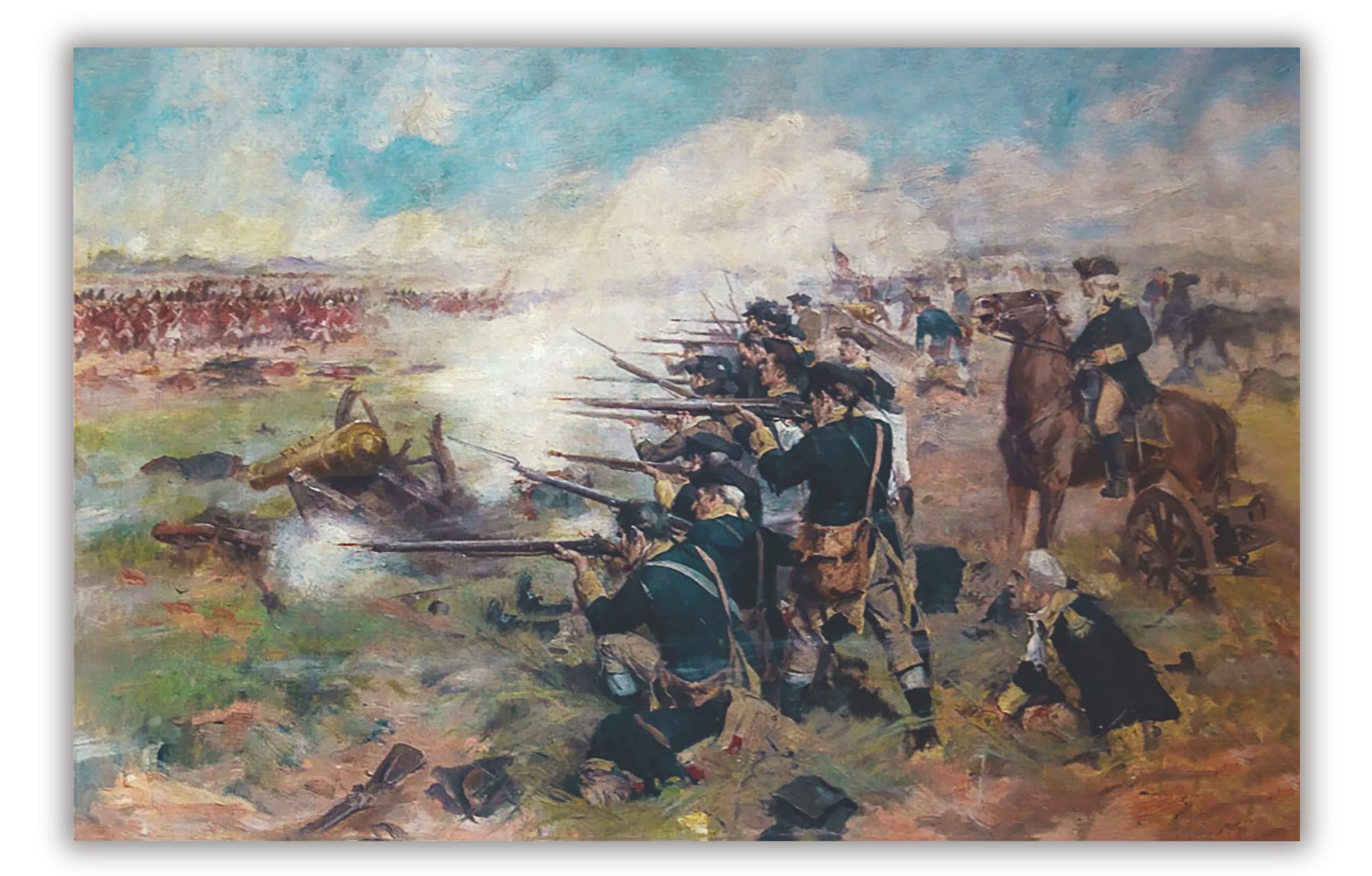
The 9th Pennsylvania Regiment was organized in early 1777 as part of the Pennsylvania Line and joined General George Washington's Continental Army during a critical period of the war. Its first combat service came during the campaign to defend Philadelphia, then the seat of the Continental Congress.
-
The largest battle fought in Pennsylvania during the Revolution, Brandywine saw Washington attempt to block General Howe's advance on Philadelphia. The 9th Pennsylvania fought as part of Conway's Brigade during the hard-fought action.
Outcome: British Victory. Philadelphia was left vulnerable to capture.
-
Following Brandywine, American forces maneuvered to strike the British army. During these operations, British troops launched a surprise nighttime attack against General Anthony Wayne's division near Paoli.
Outcome: British Victory. The engagement became known to Americans as the "Paoli Massacre."
-
Washington launched an ambitious attack against British forces occupying Germantown. The 9th Pennsylvania advanced in dense fog as part of a coordinated assault intended to surprise the enemy.
Despite early success, confusion and poor visibility disrupted the attack.
Outcome: British Victory, but the aggressive American effort impressed European observers and helped encourage French support.
-
British forces attempted to draw Washington's army into battle near Whitemarsh. The Continental Army maintained strong defensive positions and successfully resisted British probes.
Outcome: American Strategic Success. The British withdrew and Washington moved the army to winter quarters.
VALLEY FORGE & ARMY REORGANIZATION (1777–1778)
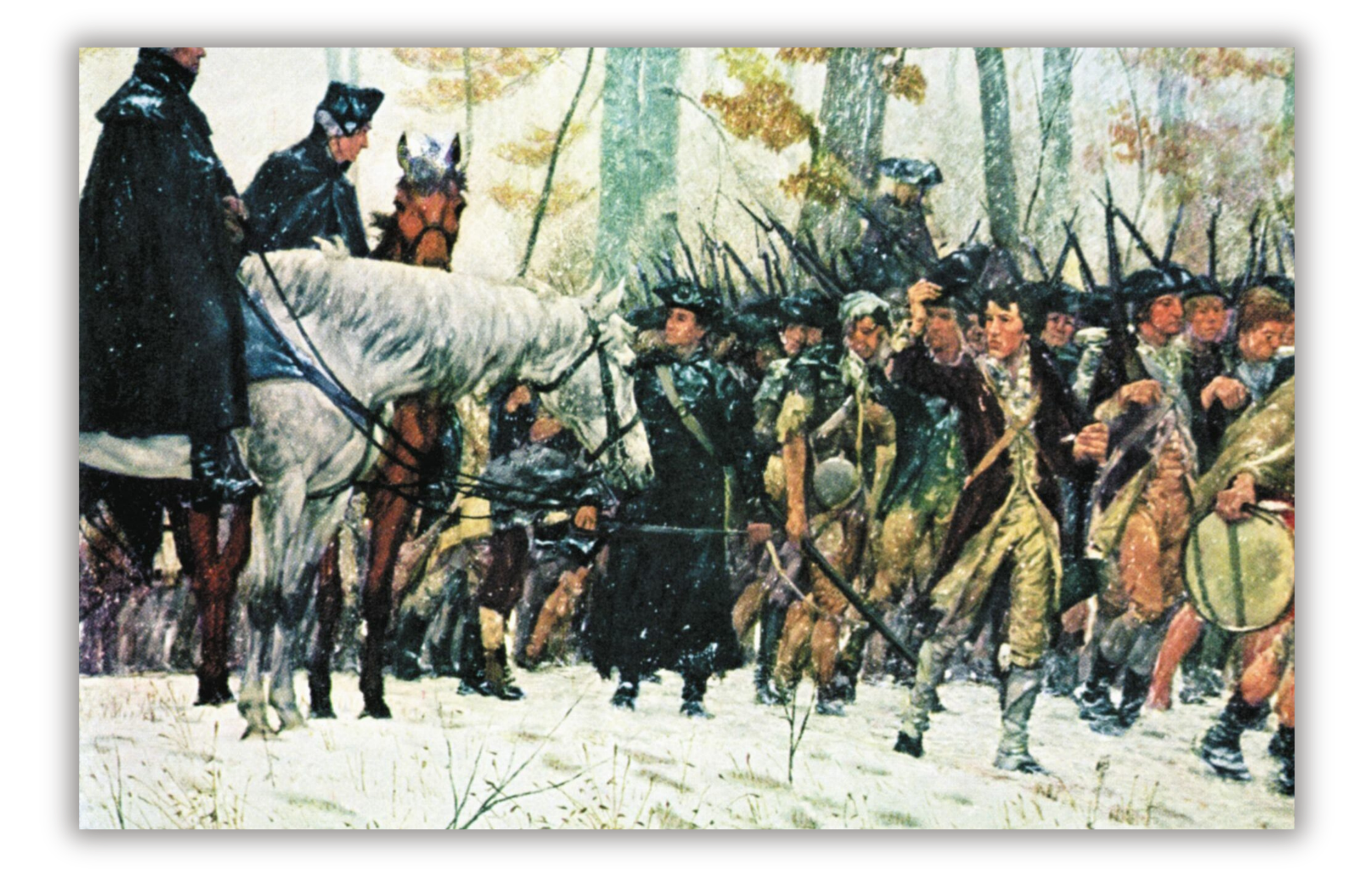
After the hardships of the Philadelphia Campaign, the Continental Army entered winter quarters at Valley Forge. While remembered for shortages, suffering, and sacrifice, this period also marked a turning point in the war. Under the training of Baron von Steuben, Washington's army was transformed into a more disciplined and professional fighting force. development of specialized Lyght Infantry units within the Continental Army.
-
Following the Philadelphia Campaign, the Continental Army established winter quarters at Valley Forge, Pennsylvania. The soldiers of the 9th Pennsylvania endured months of hardship as they faced shortages of food, clothing, equipment, and adequate shelter. Despite these challenges, the army remained intact and continued to prepare for the next campaigning season. During the winter, Baron Friedrich von Steuben introduced a standardized system of drill and instruction that improved discipline, efficiency, and battlefield performance throughout the army.
Outcome: The Continental Army emerged from Valley Forge better trained, more disciplined, and prepared for future campaigns.
-
As the winter at Valley Forge drew to a close, General George Washington implemented a series of organizational and training reforms designed to strengthen the Continental Army. Regiments adopted more consistent drill practices, command structures were refined, and experienced soldiers were increasingly identified for specialized duties. These changes helped lay the groundwork for the development of elite Lyght Infantry companies, whose members would be selected for their skill, discipline, and ability to operate independently of the main battle line.
Outcome: The reorganization improved the effectiveness of the Continental Army and paved the way for the creation of specialized Lyght Infantry units.
MONMOUTH & THE RISE OF LYGHT INFANTRY (1778)
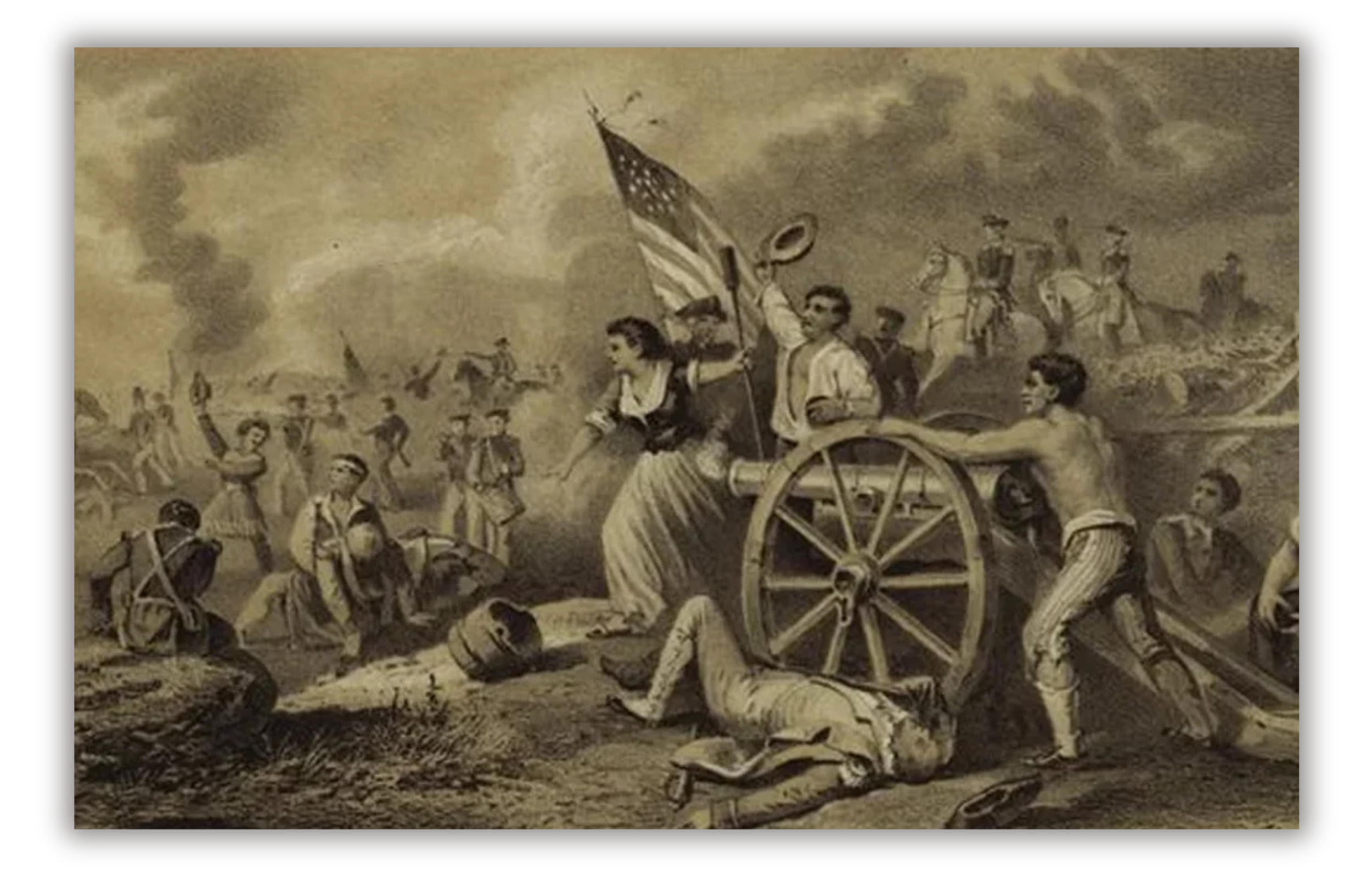
Fresh from their winter training at Valley Forge, the soldiers of the Continental Army faced a major test at the Battle of Monmouth. The campaign demonstrated the army's growing effectiveness and marked the beginning of a greater emphasis on Lyght Infantry service, with experienced soldiers selected for specialized duties beyond the traditional battle line.
-
Fought during the British withdrawal from Philadelphia to New York, the Battle of Monmouth was one of the largest engagements of the Revolutionary War. The battle served as the first major test of the Continental Army following its winter training at Valley Forge. Throughout a day of intense fighting in extreme summer heat, American soldiers demonstrated a new level of discipline and professionalism, successfully standing against British regulars in open battle.
Outcome: Tactical draw, but a strategic American success that showcased the effectiveness of the army trained at Valley Forge.
-
Following the Monmouth Campaign, General George Washington expanded the use of Lyght Infantry within the Continental Army. Experienced and disciplined soldiers were selected from each regiment to serve in elite Lyght Infantry companies tasked with scouting, skirmishing, reconnaissance, and rapid-response operations. Men from the 9th Pennsylvania were among those chosen for this specialized service, reflecting the growing importance of Lyght Infantry on the evolving battlefield.
Outcome: The creation of specialized troops capable of operating independently and carrying out missions beyond the traditional role of line infantry.
LYGHT INFANTRY OPERATIONS (1779–1780)
By 1779, the Continental Army had begun relying on specially selected Lyght Infantry soldiers to carry out some of its most challenging missions. Drawn from experienced troops across the army, these elite units were tasked with scouting, reconnaissance, skirmishing, and rapid offensive operations. Serving at the front of the army and often beyond the protection of the main battle line, Lyght Infantrymen played a critical role in several important actions along the Hudson River and in New Jersey, earning a reputation for courage, discipline, and adaptability.
-
In 1779, General George Washington consolidated Lyght Infantry companies from regiments across the Continental Army into provisional battalions known as the Corps of Lyght Infantry. These elite units were composed of experienced soldiers selected for their discipline, physical fitness, and battlefield skill. Pennsylvania Lyght Infantrymen served alongside similarly chosen troops from other states, creating a highly mobile force capable of carrying out specialized operations beyond the traditional role of line infantry.
Outcome: Formation of an elite strike force designed for reconnaissance, skirmishing, and rapid offensive operations.
-
One of the most celebrated American victories of the Revolutionary War, the Battle of Stony Point demonstrated the effectiveness of the newly organized Corps of Lyght Infantry. Under the command of General Anthony Wayne, American forces launched a daring nighttime assault against heavily fortified British positions overlooking the Hudson River. Advancing largely with unloaded muskets and relying on the bayonet, the attackers achieved complete surprise and overwhelmed the British defenders in a matter of minutes.
Outcome: American victory. The successful assault boosted morale throughout the Continental Army and established the Corps of Lyght Infantry as one of its most respected formations.
-
Following the capture of Stony Point, American forces continued operations along the Hudson River in an effort to challenge British control of key transportation routes and strategic positions. While the British maintained their stronghold at nearby Verplanck's Point, the actions surrounding the Hudson Highlands demonstrated Washington's willingness to use Lyght Infantry forces aggressively against important enemy positions.
Outcome: Continued American pressure on British forces and increased disruption of British operations along the Hudson River.
-
Much of the service performed by the Corps of Lyght Infantry occurred away from major battlefields. Throughout 1779 and 1780, Light Infantry units conducted patrols, reconnaissance missions, picket duty, and small-scale skirmishes throughout the Hudson Highlands region of New York. These operations helped protect the Continental Army, gather intelligence on British movements, and maintain American control of strategically important terrain.
Outcome: Successful intelligence gathering, regional security, and continued monitoring of British activity around New York City.
-
The Battle of Springfield marked the last major British offensive in New Jersey during the Revolutionary War. As British forces advanced inland from their base in New York, American troops moved to block their progress and protect the interior of the state. Continental soldiers, including Pennsylvania troops and Lyght Infantry detachments, played an important role in resisting the advance and forcing the British to abandon their objectives.
Outcome: American victory. The successful defense of Springfield ended large-scale British offensive operations in New Jersey and helped secure the northern theater for the remainder of the war.
LEGACY
By the end of the war, the Corps of Lyght Infantry had earned a reputation as one of the Continental Army's most capable formations. Chosen for their discipline, endurance, and skill, these soldiers performed some of the most demanding duties of the Revolution.
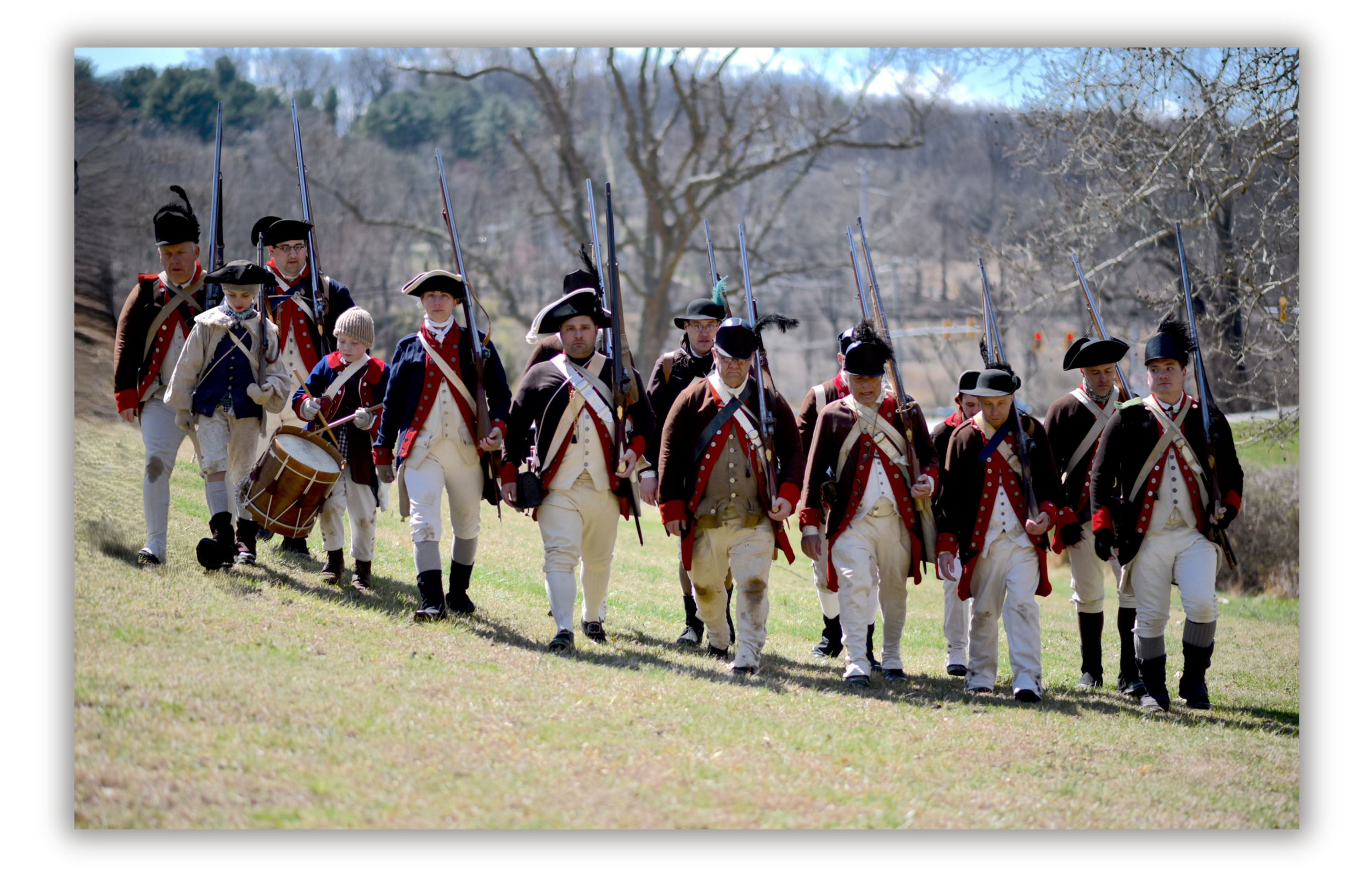
Today, the modern 9th Pennsylvania Lyght Infantry Company preserves the memory of these elite troops through historical research, living history, and public education.