CROSSING
THE
DELAWARE
DECEMBER 25
1776
DECEMBER 25, 1776
CROSSING
THE
DELAWARE
WHY DID WASHINGTON CROSS THE DELAWARE?
The daring Christmas night crossing that helped save the American Revolution.
A Revolution in Crisis
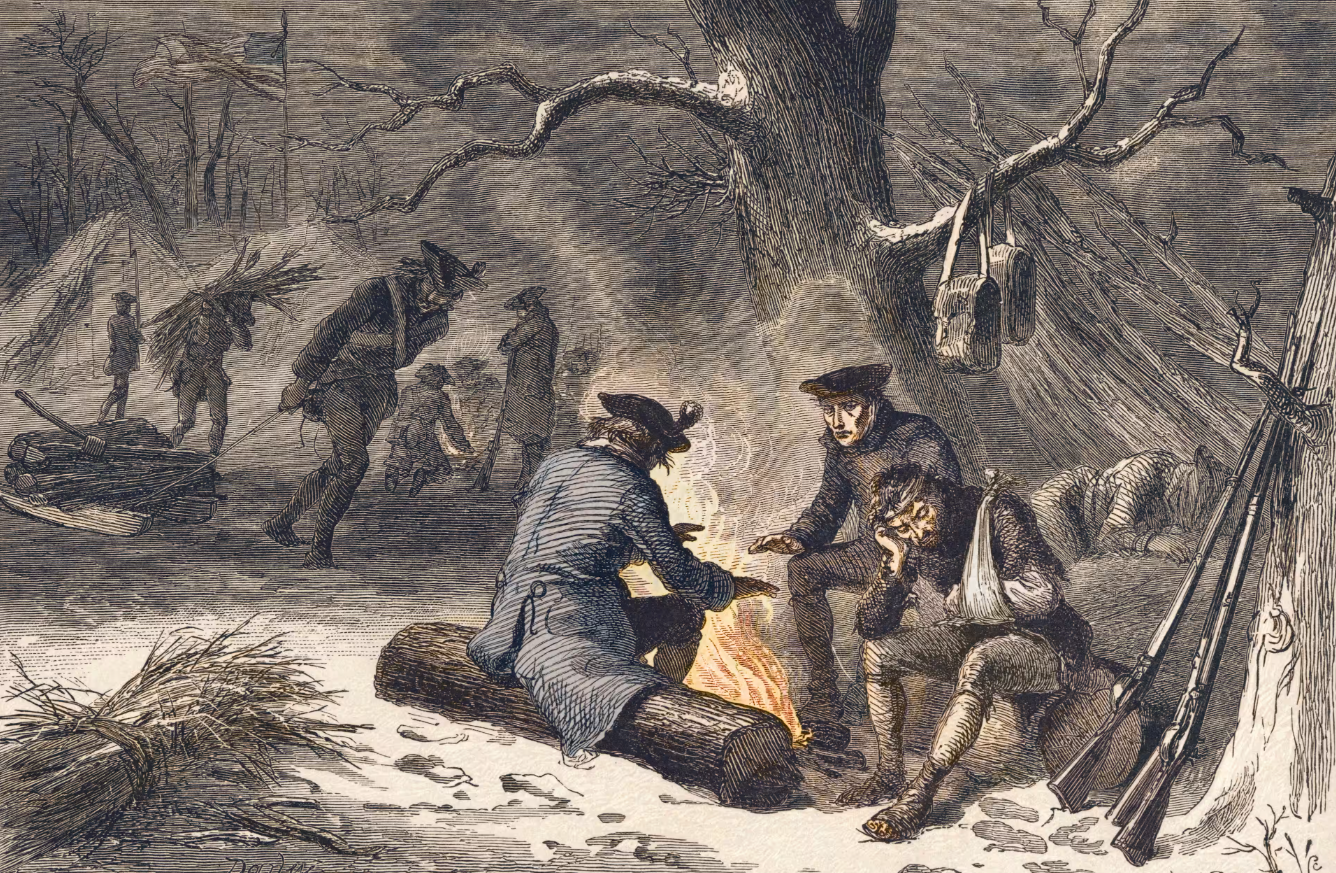
By December 1776, the American Revolution was in serious trouble. After suffering a series of defeats in New York and New Jersey, General George Washington and his Continental Army had retreated into Pennsylvania.
Morale was low, supplies were scarce, and many soldiers' enlistments were about to expire. Washington knew that his army desperately needed a victory.
A Daring Crossing & Turning Point
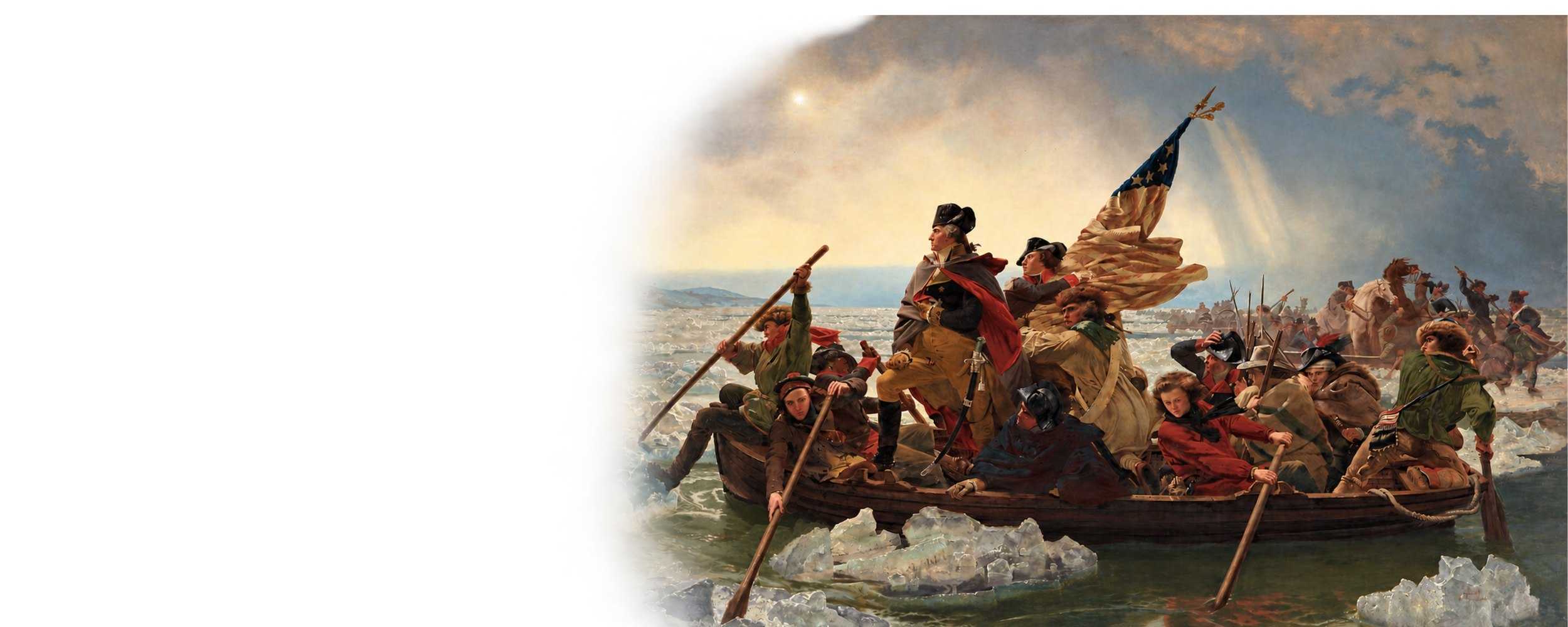
On Christmas night, December 25, 1776, Washington led approximately 2,400 soldiers across the icy Delaware River from Pennsylvania into New Jersey. Battling freezing temperatures, strong winds, snow, and sleet, the army crossed in darkness using large Durham boats and ferries.
The crossing took longer than planned, but Washington pressed forward. His exhausted soldiers marched toward Trenton, where they launched a surprise attack against Hessian troops on the morning of December 26.
The American victory at Trenton gave new hope to the struggling Continental Army. It also marked the beginning of the Ten Crucial Days, a series of military operations that culminated in another important American victory at Princeton on January 3, 1777.
Pennsylvania Soldiers at the Crossing
Although Washington's army included soldiers from several colonies, Pennsylvania troops played an important role in the campaign.
Among the Pennsylvania-connected units serving with Washington's main crossing force were:
1st Pennsylvania Rifle Regiment, commanded by Colonel Edward Hand.
Miles' Pennsylvania Rifle Regiment, represented by its remaining soldiers under Major Ennion Williams.
German Battalion, commanded by Colonel Nicholas Haussegger, which included companies recruited from Pennsylvania and Maryland.
Other Pennsylvania troops, including militia serving under General James Ewing and men commanded by Colonel John Cadwalader, were assigned to separate crossing operations farther south. Dangerous river conditions prevented those forces from completing their planned Christmas night crossings.
Sources: Ten Crucial Days — American Order of Battle; National Museum of the United States Army — Crossing the Delaware.
Was the 9th Pennsylvania at Washington's Crossing?
No. The 9th Pennsylvania Regiment had not yet been organized when Washington crossed the Delaware in December 1776.
Although Congress authorized the regiment on September 16, 1776, it was not organized until the spring of 1777.
The 9th Pennsylvania would go on to serve in the Continental Army under Colonel Richard Butler, participating in later campaigns of the American Revolution.
While the regiment itself was not present at the crossing, other Pennsylvania soldiers were. Their participation provides an important connection between the 9th Pennsylvania's history and the larger story of Pennsylvania's contributions to the war.
Sources: U.S. Army Center of Military History — The Continental Army; Pennsylvania State Archives — Revolutionary War Overview.
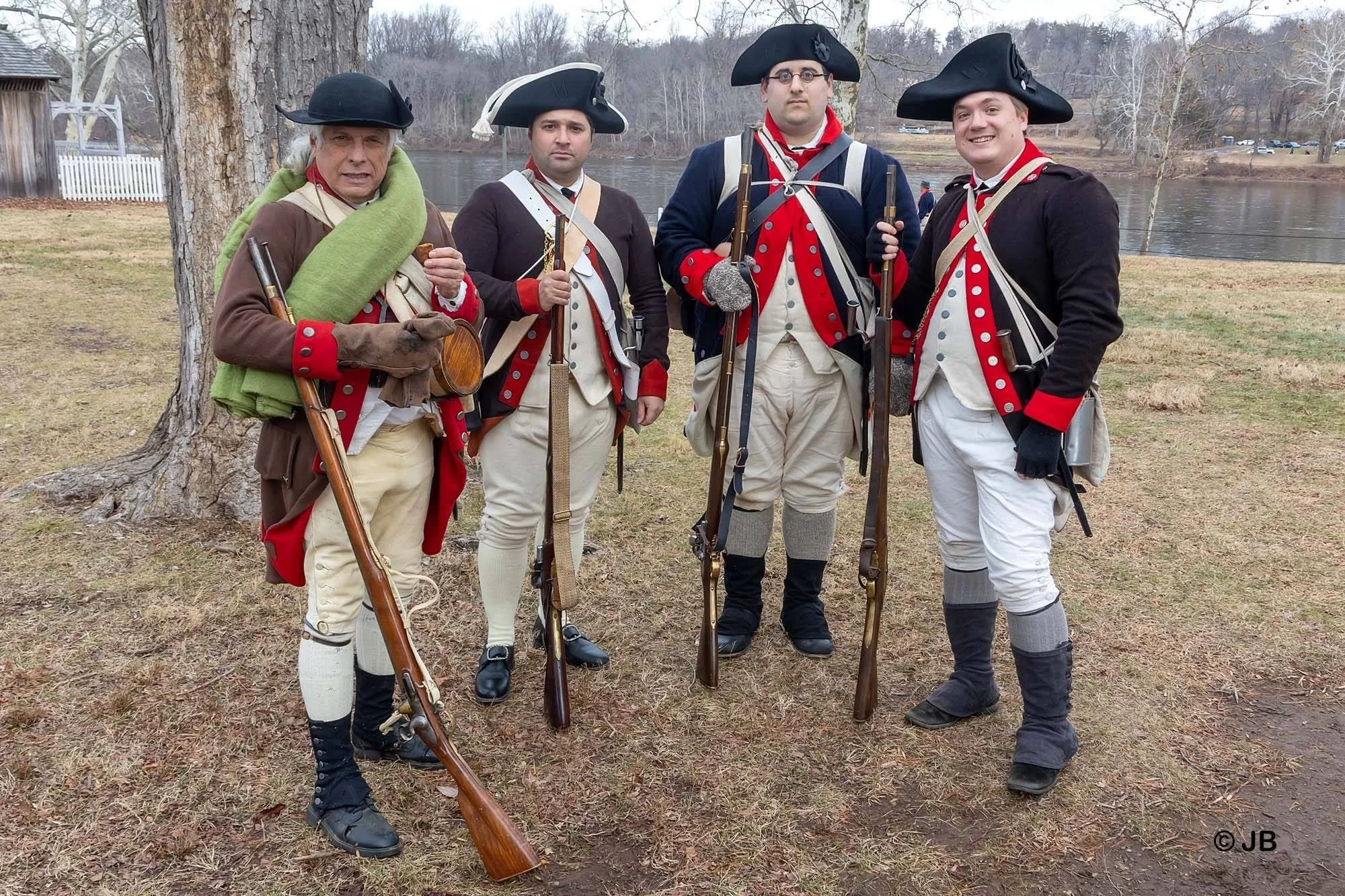
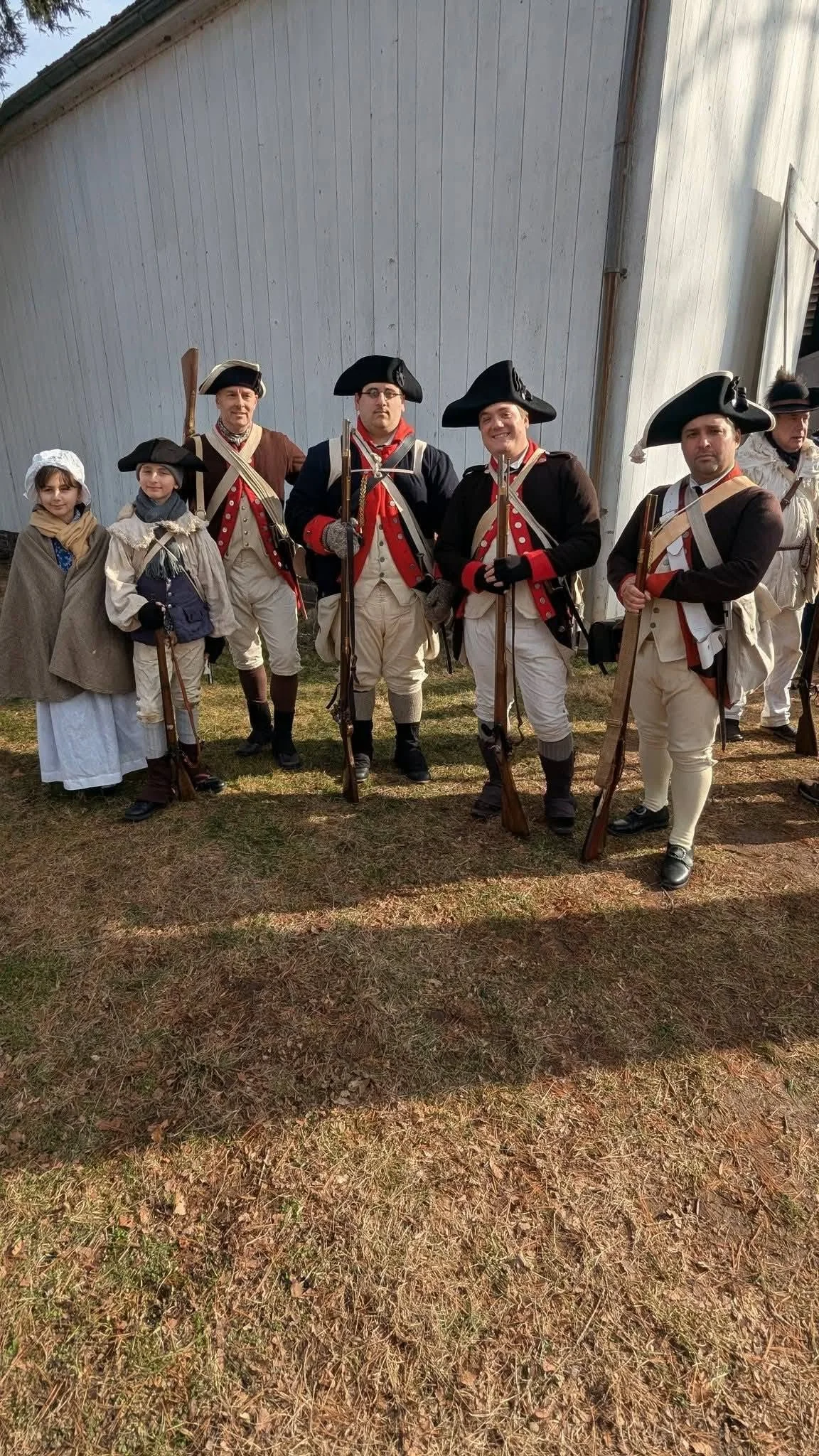
The 9th Pennsylvania Today
Although the original 9th Pennsylvania Regiment was not present in 1776, our modern unit participates in this annual tradition to help bring the experiences of Continental soldiers to life.
Dressed in period military clothing, we join fellow reenactors in portraying the men who endured the bitter winter conditions of the 1776 campaign.
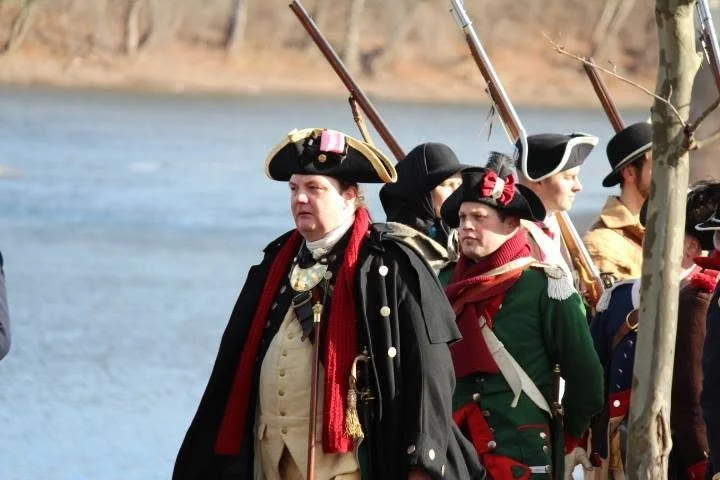
Our participation honors not only the soldiers of the 9th Pennsylvania, but also the many Pennsylvania troops who served throughout the American Revolution.
By taking part in the crossing, we help preserve this history and share it with new generations.
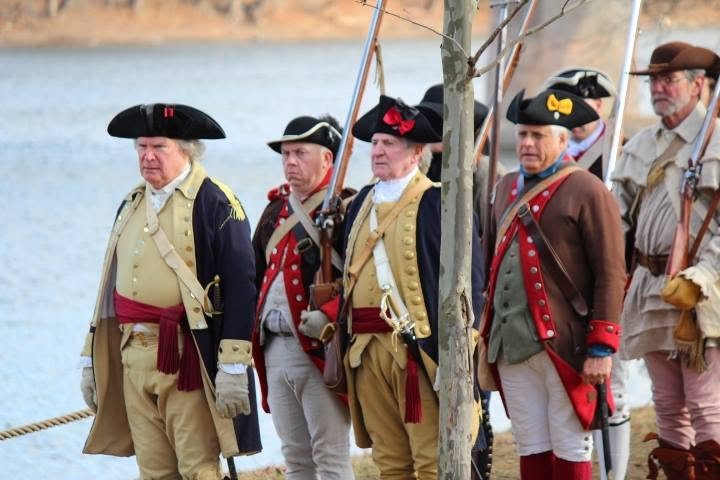
Experience Washington's Crossing
Each December, the Friends of Washington Crossing hosts two opportunities to experience the reenactment of Washington's historic crossing of the Delaware River. They take place in Washington Crossing Historic Park in Washington Crossing Pennsylvania.
The first event, held in early December, offers visitors an opportunity to witness the crossing reenactment with living history demonstrations and vendors.
The second takes place on Christmas Day, December 25, commemorating the anniversary of Washington's daring 1776 crossing.
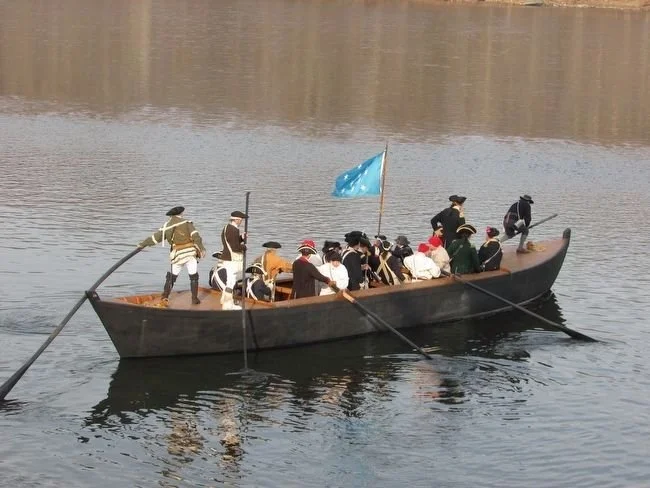
During both events, reenactors dressed in period military clothing gather along the Delaware River to recreate this pivotal moment in American history. When river and weather conditions permit, participants cross the Delaware aboard replica Durham boats, similar to those used by Washington's army.